

See how to become a vision rehabilitation specialist with our career guide
What is a Vision Rehabilitation Specialist
Rehabilitation Specialists enable people with a visual impairment to be as independent as possible in their day to day lives.
What does a Vision Rehabilitation Specialist do?
Provide specialist assessment, support, information, training and advice to people with sight loss that may also have additional or multiple disabilities such as learning disabilities or autism. This may include training in orientation and mobility, sighted guide techniques or teaching independent daily living skills. Training may cover anything that the person wants to learn that will add value and quality to their day-to-day life.

What do you get from this role?
I enjoy the variety of the work and supporting people to maximise their independence.
What do you need to apply?
Foundation Degree Rehabilitation Work (Visual Impairment)
What skills do you need?
- Ability to communicate clearly both verbally and written forms.
- Ability to use appropriate IT.
- Ability to collect information and complete an assessment of need.
- Ability to collaborate with others.
What does your working day look like?
Every day is different there is always a different person to meet and they all have different needs. Some days will have lots of paperwork, for example, recording data and information, writing up assessments and looking through referrals. Other days I will be out and about visiting clients in their homes and attending meetings. A typical day may start with attending our Special Services Team (SST) meeting to update on the people we support and discus any new referrals to the service. Following the SST I make a train journey to a new care home located in Surrey to visit some people I am supporting to settle into their new homes and neighbourhood. The afternoon is spent supporting people who have both sight loss and learning disabilities with their orientation and mobility either in their own homes or out and about in the local community. For example, I have been supporting a gentleman, who uses a long cane, to learn a route to the local shop as he works towards becoming more independent in his local area. Towards the end of day, I usually update supporting staff on progress, confirm the next sessions with the people I support before completing the final task of the day which is to write up individual case notes. It’s now time to check my mobile phone for messages and go through my diary for the next few days while getting the train home.
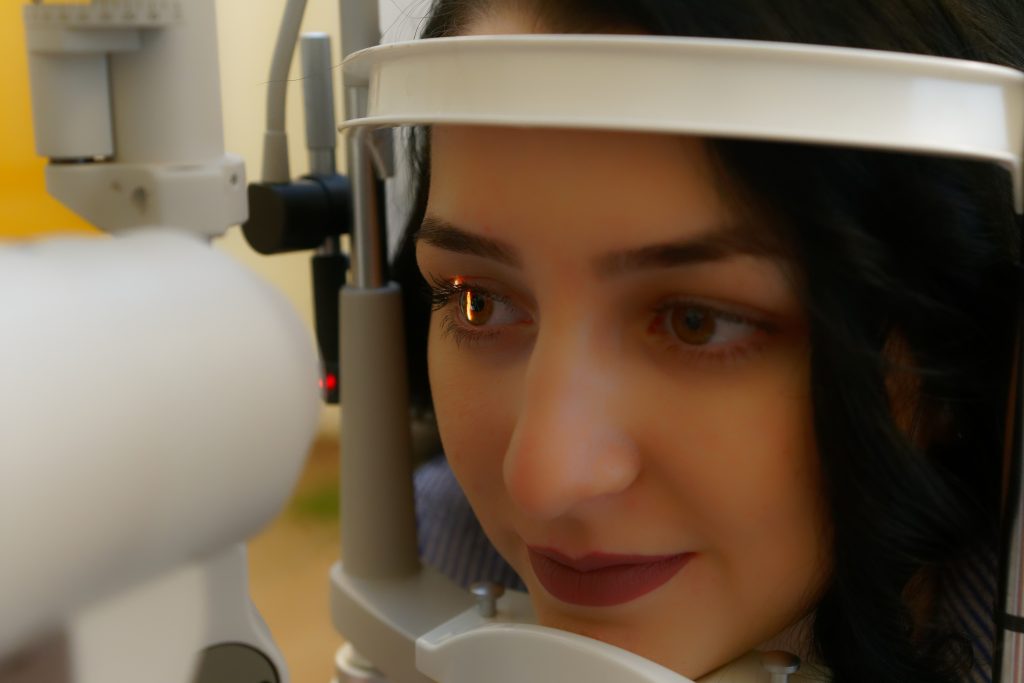
Your career path as an optometrist
Are you considering a career in optometry? Or on track to qualify soon? Your immediate focus might be on passing your exams, or your pre-registration year after university, but what comes next? Here we explore different pathways you could take, from paediatrics to research, low vision, higher qualifications or owning your own business. Build experience … Continue reading Your career path as an optometrist
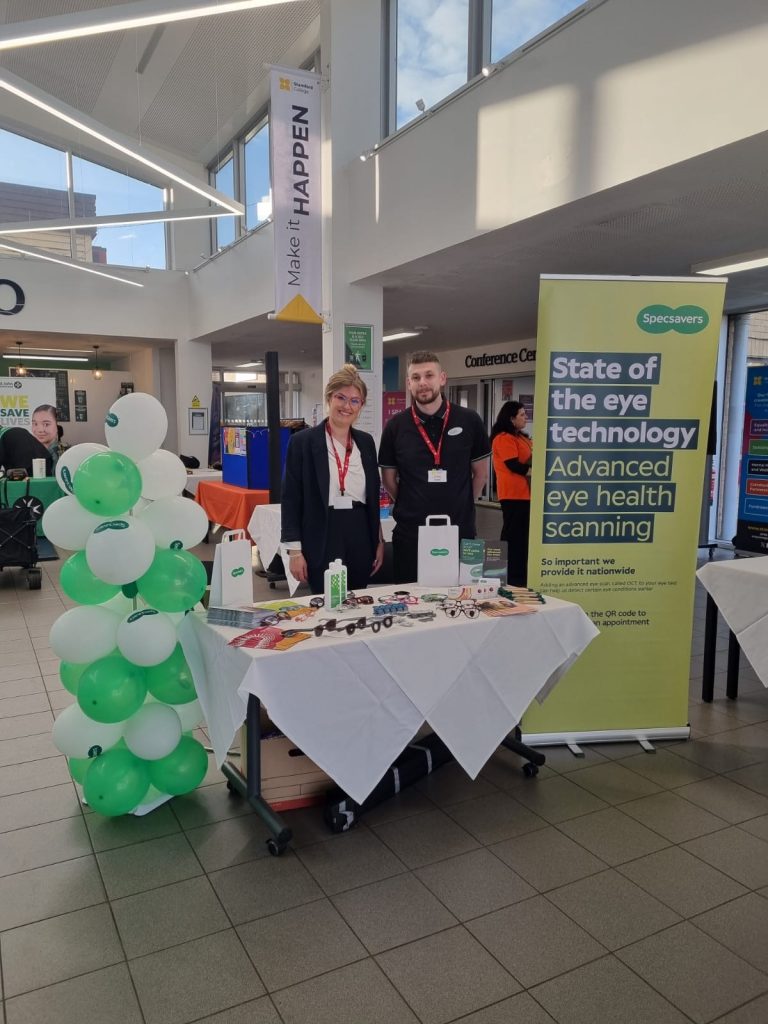
Find your future at a careers fair
Careers fairs are great opportunities to meet employers and find out more about what they have to offer – and what they want from recruits. Find out about local events through: Specsavers reach out Experts from Specsavers have been inspiring the next generation to consider a career in optics. A team from the practice in Stamford, Lincolnshire, visited Stamford College for a … Continue reading Find your future at a careers fair

Essential soft skills employers want
Employers are increasingly looking for soft skills that complement AI and automation, such as teamwork, emotional intelligence and problem-solving. The job market may be hard for anyone seeking work but according to ManpowerGroup’s 2025 Talent Shortage Survey, 76% of UK employers report difficulty recruiting the right talent. Demonstrating your mastery of soft skills can help … Continue reading Essential soft skills employers want

Meet Chloe, apprentice dispensing optician
Chloe tells us why she chose an apprenticeship in dispensing optics. She’s a student dispensing optician at Lynne Fernandes Optometrists in Bristol What inspired you to become a dispensing optician? From a young age I have always wanted to become an optometrist but after getting a Saturday job in optics while studying for my A … Continue reading Meet Chloe, apprentice dispensing optician
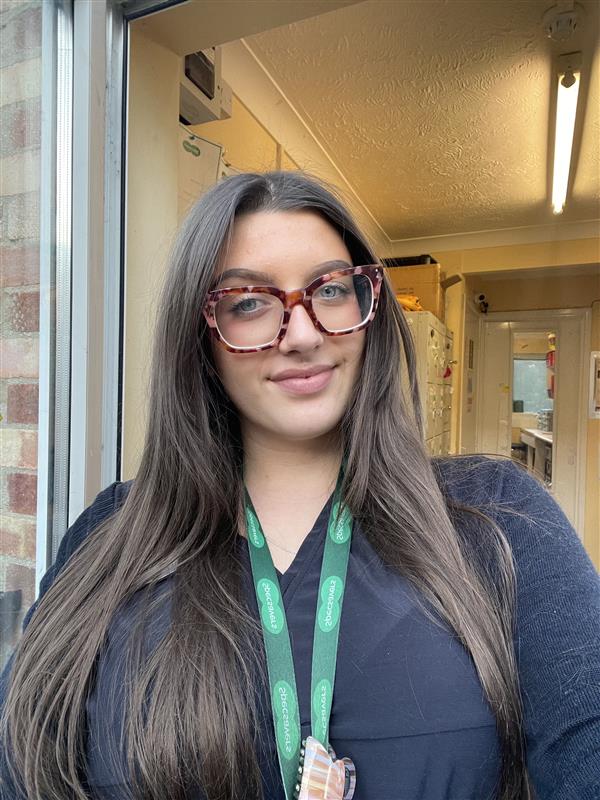
‘I found a career I enjoy’ – Jessica’s journey
When Jessica Firrell finished sixth form, she wasn’t sure what came next. University didn’t feel like the right fit. “I’d been working two part-time jobs while I was at college and realised I much preferred being active and learning on the job.” Instead, she turned to apprenticeships, hoping to find something more hands-on and fulfilling. … Continue reading ‘I found a career I enjoy’ – Jessica’s journey

Eyecare firm scoops national awards for apprenticeships
A high street optical chain came top in five categories at the 2025 regional and national Apprenticeship and Skills Awards. Specsavers won large apprenticeship employer of the year, while Katie House (pictured holding award) was named apprentice of the year. Dena Wyatt, head of apprenticeships, was named skills champion in the regional section. Katie said: … Continue reading Eyecare firm scoops national awards for apprenticeships